The people who matter most are carrying too much.

Stacy Raske turns high-capacity, multi-passionate genius into operational infrastructure that scales beyond its creator.

Stacy RaskeStructure around your decisions, knowledge and commitments.

Complexity was never the problem. Unstructured complexity is.

Context is prepared. The person decides what happens next.

Bring sources, commitments and constraints together. Choosing the priority and granting permission to act stay with the person, who remains accountable for the consequence.

When their cognition stops disappearing into inboxes and meetings, it compounds.

  1. Individual amplification
  2. Team coherence
  3. Organizational intelligence
Complexity

The thread is what a person carries: decisions, promises, relationships and context.

Scroll to follow the thread

Normal today.
Absurd by 2028.

Stacy’s view of what the next two years should make obsolete.

  1. 01

    Asking leaders to search across inboxes, drives, meetings and dashboards to reconstruct context.

  2. 02

    Giving every employee the same generic AI assistant.

  3. 03

    Celebrating the number of agents deployed without measuring the value or risk they create.

  4. 04

    Allowing critical institutional knowledge to live only inside individual people.

  5. 05

    Requiring valuable leaders to be the integration layer between fragmented systems.

  6.  

    Signal without structure leaks.
    Structure without signal is empty.

Generating answers becomes cheap.
Deciding what deserves action does not.

Stacy’s strategic thesis: as output multiplies, focus moves toward judgment, authority and trust. The points are a metaphor, not a measurement.

  1. IntelligenceJudgment
  2. AgentsAuthority
  3. OutputCoherence
  4. PersonalizationTrust
  5. ExecutionAccountability
  6. CapabilityWhere human cognition is deployed

AbundantScarce

Technical capability is moving faster than organizational architecture.

  1. Capability multiplies the outputs. Briefs, drafts, analyses and agent recommendations arrive faster than anyone can place them.
  2. Architecture decides where each one goes. Three checks determine the destination: what context is attached, what action is permitted, and who owns the result.
  3. The person sees what needs them. Only unresolved priority, permission and exceptions reach the person. Authorized work has an owner; unowned or duplicate work does not proceed.
Context
Sources + constraints
Authority
Proceed, or ask?
Accountability
Owner + completion proof
Proceed within scopePermission is clear. A named owner carries the work. Human decision requiredPriority, permission or an exception is unresolved. Hold or set asideNo owner, no agreed purpose, or a duplicate. Do not act.
  • Research briefApproved scope · analyst owns it
  • Generated analysis
  • Draft reply
  • Market scan
  • Forecast
  • Agent recommendation
  • Meeting summary
  • Content draft
  • Automated task
  • Code change
  • Competitor digest
  • Proposal draft
  • Data pull
  • Status report
  • Second opinion
  • Translation
  • Pitch outline
  • Risk memoException · person must decide
  • Draft, version two
  • Analysis, again
  • Summary of the summary
  • Another recommendation
  • Forecast update
  • Report refresh
  • Agent retry
  • Slide outline
  • Inbox digest
  • Alternate proposal
  • Benchmark
  • Follow-up draftNo owner · hold for clarification
Illustrative routing by permission, ownership and unresolved decisions—not by file type. The three examples show why work proceeds, pauses with a person, or does not proceed.
Stacy Raske on the TEDx Cincinnati stage

Structure gives my genius a home. Flow gives it wings.

Stacy Raske · photographed at TEDx Cincinnati
Watch Stacy’s TEDx talkStop SHOULDing on Yourself

Stacy Raske builds the structure beneath the complexity.

An Iraq War veteran and former chemist, she fuses military precision with emotional intelligence. She enters environments that are only partly articulated, sees the architecture that should exist beneath them, and builds it.

  • TEDx Speaker
  • 3× Author
  • Iraq War Veteran
  • Founder, InFLOWential®

The old world taught us to shrink. The new world asks us to structure.

Portrait

Stacy Raske, portrait
Material slot · Editorial portrait · 4:5 · 2400px+
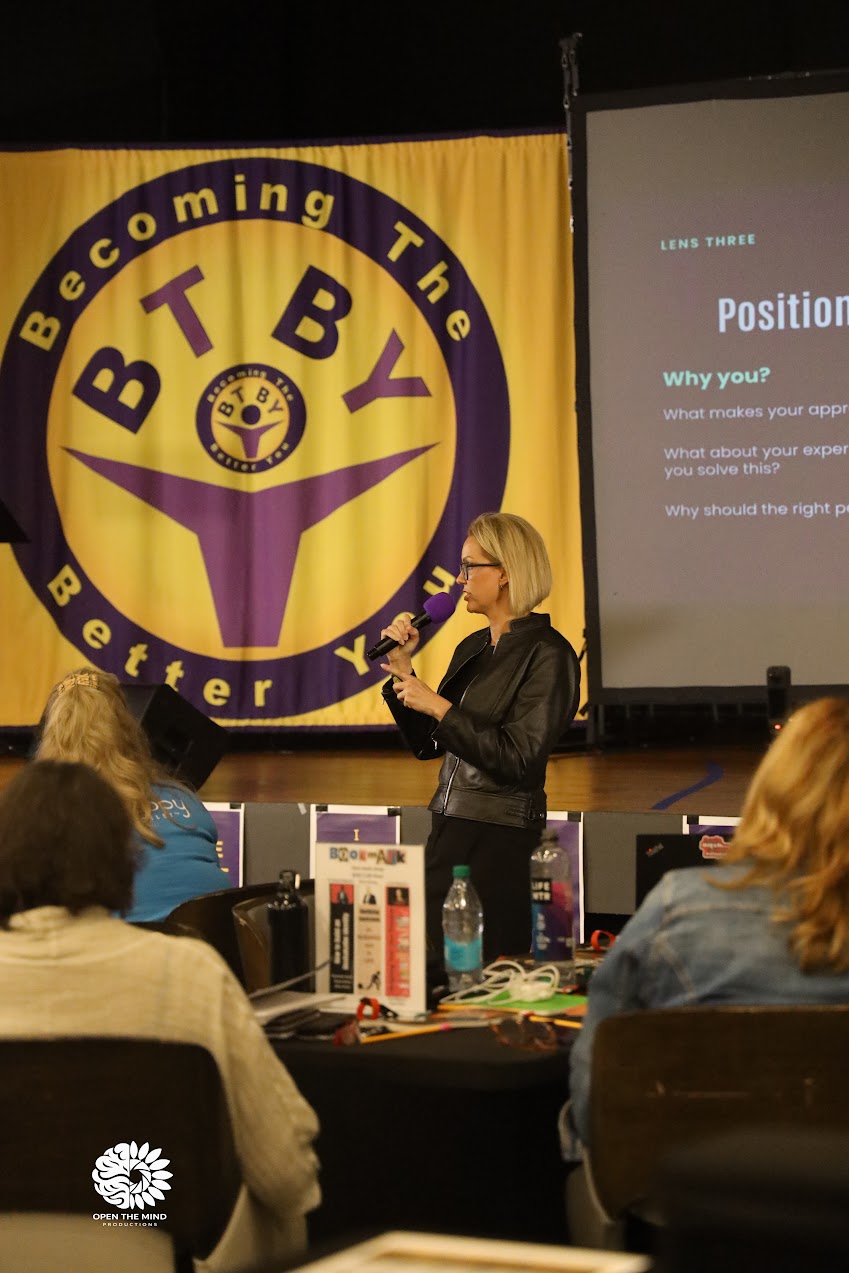
Stacy Raske teaching a room, with a slide titled Position
Material slot · Speaking clip · 8 to 12s silent loop
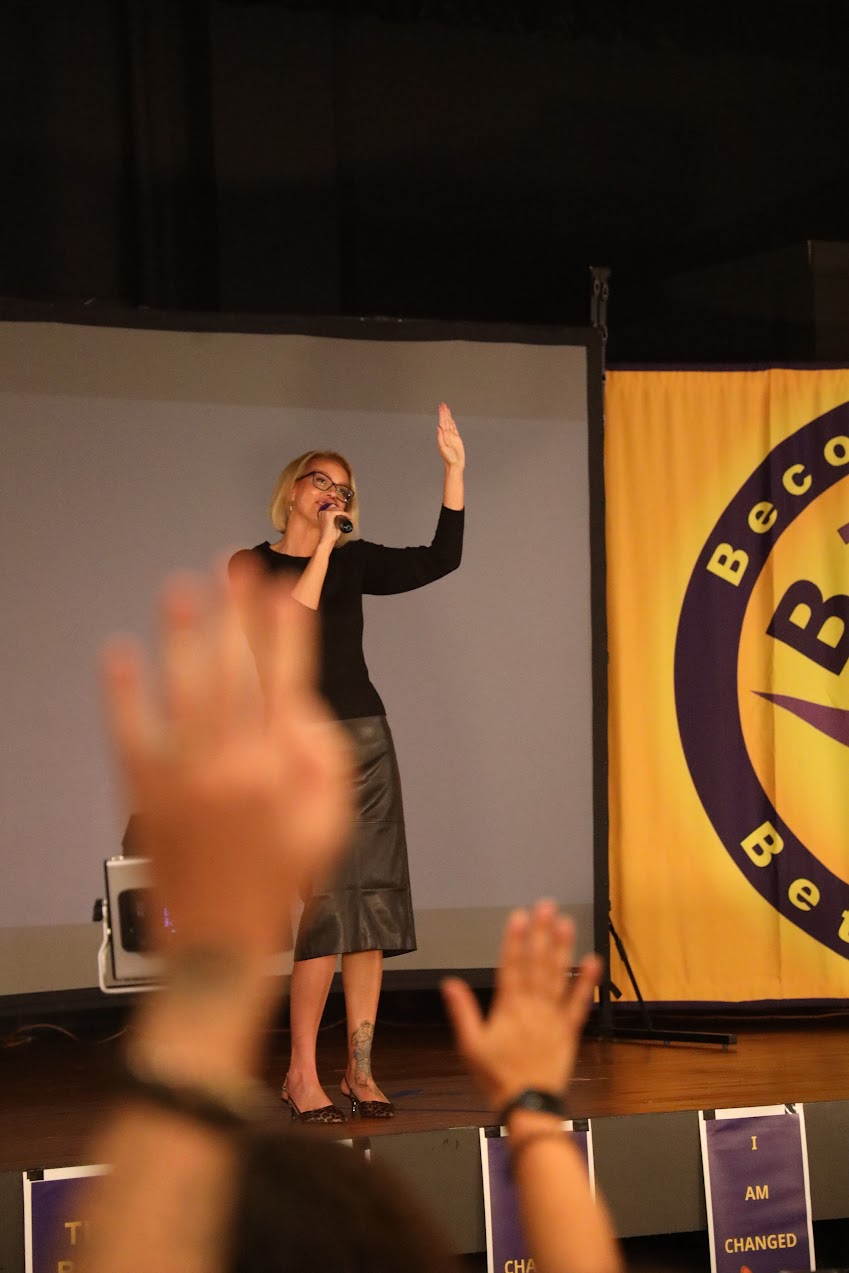
Stacy Raske speaking on stage
Material slot · Working session or whiteboard · 4:5

An operating layer for the people who carry the most.

In development. Stacy is the intended first operating environment. This proposed nine-step loop follows a commitment from capture through human authority to evidence of completion; it is not an integrated product yet.

01 · CaptureA request becomes a visible commitment.

Keep what was asked and who asked it, so it cannot disappear into a conversation.

For a leader considering a bounded test of the proposed architecture: read what an initial pilot enquiry would cover.

Explore the pilot outline
Illustrative commitmentI’ll send Finance the revised hiring plan by Friday.
    Working title · CEO Flow · proposed architecture
    1. CaptureKeep the request.
    2. ClassifyIdentify the kind of commitment.
    3. RecordPreserve sources and constraints.
    4. RouteFind the responsible person.
    5. Act within authorityStay inside the permitted scope.
    6. Ask onceEscalate the human decision.
    7. DeliverMake the decision usable.
    8. CloseRequire completion evidence.
    9. MeasureCompare the operating change.

    The software is the first expression. The category is larger.

    Where does valuable cognition live inside an organization, where is it being wasted, and what architecture reallocates it?

    1. Product · in developmentStrategic operating infrastructure · CEO Flow

      A request gains context, reaches the person who can decide, and becomes an owned commitment.

    2. Category · proposedCognitive capital management

      Place each decision with the person equipped to make it. Carry the context and ownership between them.

    3. Scale · future possibilityEnterprise and portfolio cognition infrastructure

      Connect teams through shared context, explicit decision rights and accountable handoffs.

    1 · A request arrivesReview the hiring plan.
    Budget + constraints attached.
    2 · A person decidesA leader approves the scope.
    The software carries the context.
    3 · Someone owns deliveryFinance sends the revised plan.
    Due Friday, with completion proof.

    One request becomes accountable work.

    Prepared contextSources · constraints
    Human judgmentPriority · authority
    Owned commitmentOwner · evidence

    A request carries context to a human decision, then becomes owned work.

    Illustrative operating architecture. CEO Flow is in development; category and wider scale are proposals, not working products.

    Name the ten people whose judgment creates disproportionate value in your organization.

    1. Today, their judgment is buried in coordination. Status checks, lost context and repeated questions surround the decisions only they can make.
    2. Proposed support carries the coordination. Context, follow-up and ownership move onto the infrastructure.
    3. The judgment stays with the person. What remains is the decision that justifies their role.

    Illustrative roles · replace them with your ten

    1. FounderChoose the strategic direction
    2. Product leadChoose what to build
    3. Engineering leadResolve a technical tradeoff
    4. Client partnerProtect a key relationship
    5. Operations leadResolve delivery constraints
    6. Finance leadAllocate scarce resources
    7. Creative leadSet the creative direction
    8. People leadMake a consequential people decision
    9. Domain expertInterpret a difficult exception
    10. Team leadSet the team’s priority
    A design aim, not a measured result or a live software demonstration.

    For leaders whose judgment is caught in repeated coordination: see what a bounded advising enquiry could examine.

    Book an advising conversation

    Three doors.

    Choose your next step: strategic advising, a speaking enquiry, or the InFLOW ecosystem.

    Your genius was never too much.
    Your infrastructure was too small.

    For a founder or leader carrying a recurring coordination problem, begin with the scope of the enquiry.

    Book a conversation with Stacy

    Advising

    For founders and leaders. Bring one consequential coordination problem, the people involved and the constraints. A starting discussion would map where context, decision rights and commitments break down, then consider whether a bounded diagnostic or pilot is useful.

    Calendar connection and appointment rules await Stacy’s approval.

    Speaking

    For event organizers. Prepare the audience, dates, format and the question you want the room to explore. A speaking enquiry would discuss topic fit, format and availability around complexity, human capacity and the structure of consequential work.

    Speaking enquiry destination pending.

    InFLOW

    For people exploring the wider ecosystem. Identify the expertise or operating challenge you want to structure. The next step is to choose the relevant InFLOW or Authority Codification route, rather than treating CEO Flow’s development concept as a live offer.

    Preferred InFLOW public destination pending.

    © 2026 Stacy Raske

    Stacy Raske · TEDxCincinnati